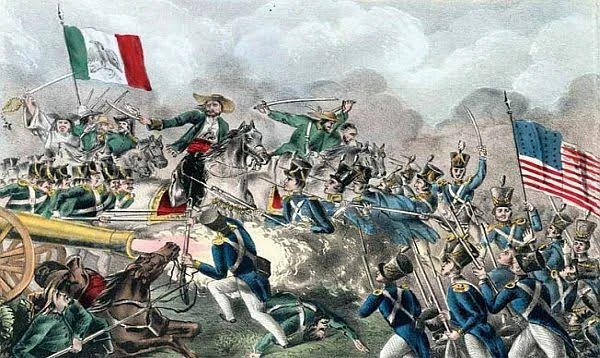
بیوگرافی شخصیت های تاریخی به انگلیسی
شناخت بیوگرافی شخصیتهای تاریخی به انگلیسی، دریچهای به سوی افزایش دانش عمیق تاریخی و تقویت مهارتهای زبان انگلیسی میگشاید. این رویکرد دوگانه، فرصتی منحصربهفرد برای غوطهور شدن در تاریخ جهانی از طریق متون اصیل انگلیسی فراهم میآورد و برای زبانآموزان و علاقهمندان به تاریخ ارزشمند است.

درک زندگی و دستاوردهای شخصیتهای کلیدی تاریخ، نه تنها به ما کمک میکند تا تحولات گذشته را بهتر بفهمیم، بلکه ابزاری قدرتمند برای تحلیل چالشهای امروز و پیشبینی روندهای آینده است. تاریخ، معلم بزرگ بشریت است و مطالعه زندگی افرادی که مسیر تمدن را تغییر دادهاند، درسهای بیشماری برای آموختن دارد. این مقاله با هدف ارائه یک مجموعه جامع و مختصر از زندگینامههای شخصیتهای تاریخی برجسته جهان به زبان انگلیسی تدوین شده است. هدف از این مجموعه، کمک به خوانندگان فارسیزبان برای افزایش دانش تاریخی و در عین حال، تقویت مهارتهای زبان انگلیسی آنها، بهویژه درک مطلب، واژگان تخصصی و آشنایی با ساختارهای جملات آکادمیک است. در ادامه، خواهید دید که چگونه این محتوا میتواند به عنوان یک منبع معتبر و کاربردی برای زبانآموزان در سطوح متوسط تا پیشرفته و همچنین علاقهمندان به تاریخ عمل کند.
اهمیت مطالعه بیوگرافی شخصیتهای تاریخی به انگلیسی
مطالعه زندگینامههای شخصیتهای تاریخی، به دلایل متعدد، از اهمیت بالایی برخوردار است. این رویکرد نه تنها به درک عمیقتر ریشههای تمدن بشری کمک میکند، بلکه ابزاری قدرتمند برای تقویت زبان انگلیسی به شمار میرود. برای دانشجویان، پژوهشگران و تمامی علاقهمندان به تاریخ و زبان، دسترسی به منابع معتبر انگلیسی میتواند فرصتهای یادگیری بینظیری را فراهم آورد.
تقویت مهارتهای زبان انگلیسی از طریق تاریخنگاری
خواندن بیوگرافی شخصیتهای تاریخی به انگلیسی، یکی از بهترین روشها برای بهبود مهارتهای زبانی است. متون تاریخی غالباً از واژگان آکادمیک و ساختارهای پیچیده استفاده میکنند که این امر، خواننده را با طیف وسیعی از لغات و اصطلاحات جدید آشنا میسازد. زبانآموزان میتوانند با مطالعه این متون، درک مطلب خود را افزایش داده و دایره لغات تخصصی مربوط به حوزههای سیاست، علم، فلسفه و هنر را گسترش دهند. علاوه بر این، آشنایی با نحوه نگارش و استدلال در متون انگلیسی، به بهبود مهارتهای نوشتاری نیز کمک شایانی میکند. تمرین با چنین محتوایی، بهویژه برای داوطلبان آزمونهای بینالمللی مانند IELTS و TOEFL که نیاز به تسلط بر متون تحلیلی و آکادمیک دارند، بسیار سودمند است.
دسترسی به منابع معتبر و گسترده جهانی
بسیاری از معتبرترین پژوهشها و زندگینامههای تاریخی در دنیا به زبان انگلیسی نگاشته شدهاند. از این رو، توانایی مطالعه این متون، دسترسی به دریایی از دانش و دیدگاههای متنوع را برای مخاطبان فراهم میآورد. این امر به ویژه برای علاقهمندان به دانلود مقاله و دانلود کتابهای تخصصی، اهمیت مضاعفی پیدا میکند. با جستجوی عباراتی نظیر “بهترین سایت دانلود کتاب” یا “بهترین سایت دانلود مقاله”، میتوان به پلتفرمهایی دست یافت که منابع ارزشمندی را در این زمینه ارائه میدهند. برند ایران پیپر نیز در تلاش است تا با گردآوری چنین منابعی، به عنوان یک مرجع قابل اعتماد، این دسترسی را تسهیل کند و برای کاربران فارسیزبان، پلتفرمی کارآمد برای دستیابی به دانش جهانی باشد.
فهم عمیقتر تأثیرات تاریخی و فرهنگی
شخصیتهای تاریخی، سنگ بنای تمدنها و جوامع امروزی هستند. هر کدام از آنها با تصمیمات، اختراعات یا ایدههای خود، تأثیرات ماندگاری بر جهان گذاشتهاند. مطالعه بیوگرافی این افراد، به ما امکان میدهد تا نه تنها جزئیات زندگی آنها را بشناسیم، بلکه درک کنیم چگونه ایدههایشان در طول زمان تکامل یافته و جهان را به شکلی که امروز میبینیم، شکل داده است. این درک عمیق، به تقویت تفکر انتقادی و تحلیلی نیز کمک میکند و به ما نشان میدهد که هر فردی، فارغ از زمان و مکان، میتواند بر سرنوشت بشریت تأثیرگذار باشد.
مطالعه زندگینامههای شخصیتهای تاریخی به انگلیسی، نه تنها به افزایش دانش عمومی کمک میکند، بلکه ابزاری بینظیر برای ارتقای مهارتهای زبانی در سطوح آکادمیک و تخصصی است.
50 Famous Historical Figures: Concise Biographies in English
This comprehensive collection offers concise biographies of 50 globally significant historical figures. Each entry provides a brief overview of their life, achievements, and lasting impact, making it an ideal resource for both history enthusiasts and English language learners aiming to expand their vocabulary and understanding of historical narratives.
Ancient Civilizations
The dawn of human civilization witnessed the rise of extraordinary individuals whose ideas and actions laid the groundwork for future societies. These figures, from philosophers to conquerors, shaped early thought, governance, and scientific inquiry.
Socrates: A pivotal Greek philosopher from Athens, Socrates is considered one of the founders of Western philosophy. He developed the Socratic method of inquiry, emphasizing critical reasoning and self-examination, profoundly influencing subsequent philosophical thought.
Alexander the Great: The King of Macedon, Alexander was a military genius who created one of the largest empires of the ancient world. His conquests spread Hellenistic culture across a vast geographical area, leaving a lasting legacy on subsequent civilizations.
Cleopatra VII: The last active pharaoh of Ptolemaic Egypt, Cleopatra was renowned for her political acumen and strategic alliances with Roman leaders. Her reign marked a critical period in Egyptian and Roman history, eventually leading to Egypt’s incorporation into the Roman Empire.
Julius Caesar: A brilliant Roman general and statesman, Caesar played a crucial role in the transition of the Roman Republic into an empire. His military campaigns and political reforms reshaped Rome’s trajectory and left an enduring mark on Western history.
Confucius: A highly influential Chinese philosopher and political theorist, Confucius founded Confucianism, a system of ethical, philosophical, and religious thought. His teachings emphasized morality, familial loyalty, and social harmony, deeply influencing East Asian culture.
Pythagoras: An ancient Greek mathematician and philosopher, Pythagoras is best known for the Pythagorean theorem. His work extended beyond mathematics to music, astronomy, and philosophy, forming the basis of Pythagoreanism, a spiritual movement.
Hippocrates: Regarded as the “Father of Medicine,” Hippocrates was an ancient Greek physician who revolutionized medicine by separating it from religious belief. His emphasis on observation and clinical experience led to the Hippocratic Oath, still relevant today.
Aristotle: A polymath and student of Plato, Aristotle was one of the most influential ancient Greek philosophers. His writings spanned physics, metaphysics, ethics, politics, logic, and biology, profoundly shaping Western intellectual history for centuries.
Euclid: Often referred to as the “Father of Geometry,” Euclid was a Greek mathematician active in Alexandria. His seminal work, “Elements,” is one of the most influential treatises in the history of mathematics, presenting geometry in an axiomatic deductive system.
Archimedes: A brilliant Greek mathematician, physicist, engineer, and inventor from Syracuse, Sicily. Archimedes is celebrated for his principles of mechanics and buoyancy, particularly the Archimedes’ principle, and his innovative military engines.
Medieval Era Luminaries
The Medieval period, often called the Middle Ages, saw the rise of new empires, religious movements, and cultural exchanges. Key figures from this era left indelible marks on governance, exploration, and military strategy.
Charlemagne: As King of the Franks and the first Holy Roman Emperor, Charlemagne unified much of Western Europe during the early Middle Ages. His reign is remembered for cultural and intellectual revival, known as the Carolingian Renaissance.
William the Conqueror: The first Norman King of England, William led the Norman Conquest of 1066, a pivotal event in English history. His victory profoundly impacted English language, law, and culture, establishing a new feudal system.
Genghis Khan: The founder and first Great Khan of the Mongol Empire, Genghis Khan united fragmented Mongol tribes into a formidable military force. His empire became the largest contiguous empire in history, significantly altering the geopolitical landscape of Eurasia.
Marco Polo: A Venetian merchant and explorer, Marco Polo’s extensive travels to Asia, particularly China, were famously documented in “The Travels of Marco Polo.” His accounts introduced Europeans to the cultures and geography of the East, inspiring further exploration.
Saladin: The first Sultan of Egypt and Syria, Saladin led the Islamic military campaign against the Crusader states in the Levant. He is revered for his military prowess, generosity, and chivalrous conduct, particularly during the Third Crusade.
Pioneers of Renaissance & Enlightenment
These eras marked a resurgence of classical learning, scientific discovery, and intellectual inquiry, challenging old paradigms and laying the foundation for the modern world.
Leonardo da Vinci: An Italian polymath, Leonardo was a quintessential Renaissance man, excelling as a painter, sculptor, architect, musician, scientist, inventor, and more. His artworks like “Mona Lisa” and “The Last Supper” are iconic, and his notebooks reveal a mind centuries ahead of its time.
Michelangelo: Another titan of the Italian High Renaissance, Michelangelo was a sculptor, painter, architect, and poet. His masterpieces include the David sculpture, the Sistine Chapel ceiling, and the design of St. Peter’s Basilica, demonstrating unparalleled artistic vision.
Galileo Galilei: An Italian astronomer, physicist, and engineer, Galileo played a central role in the scientific revolution. His telescopic observations provided crucial evidence for the Copernican model of the solar system, challenging established geocentric views.
Isaac Newton: An English mathematician and physicist, Newton formulated the laws of motion and universal gravitation, laying the foundation for classical mechanics. His work, “Philosophiæ Naturalis Principia Mathematica,” is considered one of the most important scientific books ever written.
William Shakespeare: Widely regarded as the greatest writer in the English language and the world’s pre-eminent dramatist, Shakespeare’s plays and sonnets explore universal themes of love, loss, ambition, and humanity. His enduring influence on literature and language is immense.
Johannes Gutenberg: A German inventor, Gutenberg introduced mechanical movable type printing to Europe, initiating the “Gutenberg Revolution.” His invention made books more accessible, fueling the Renaissance, Reformation, and the spread of knowledge.
Martin Luther: A German theologian and Augustinian friar, Martin Luther was a seminal figure in the Protestant Reformation. His challenge to the doctrines and practices of the Catholic Church fundamentally altered the religious and political landscape of Europe.
Voltaire: A prominent French Enlightenment writer, historian, and philosopher, Voltaire was a passionate advocate for civil liberties, including freedom of speech, freedom of religion, and separation of church and state. His satirical works and philosophical ideas influenced the French Revolution.
Key Figures of the Modern Era
The modern era has been shaped by leaders, scientists, and activists whose actions dramatically altered political landscapes, advanced human rights, and pushed the boundaries of scientific understanding.
George Washington: The first President of the United States, Washington led the Continental Army to victory during the American Revolutionary War. His leadership was crucial in the formation of the United States as an independent nation and its early democratic principles.
Napoleon Bonaparte: A French military and political leader, Napoleon rose to prominence during the French Revolution and commanded successful campaigns during the Revolutionary Wars. As Emperor of the French, he established a vast empire and his legal reforms, the Napoleonic Code, influenced many civil law systems worldwide.
Queen Victoria: Queen of the United Kingdom of Great Britain and Ireland, and Empress of India, Victoria reigned for 63 years, a period known as the Victorian era. Her reign saw significant industrial, cultural, political, scientific, and military expansion of the British Empire.
Abraham Lincoln: The 16th President of the United States, Lincoln led the country through its Civil War, preserving the nation and abolishing slavery. His leadership and commitment to equality remain an inspiration for democratic ideals.
Charles Darwin: An English naturalist and biologist, Darwin is best known for his theory of evolution by natural selection. His groundbreaking work, “On the Origin of Species,” fundamentally transformed our understanding of life’s diversity and development.
Marie Curie: A Polish and naturalized-French physicist and chemist, Marie Curie conducted pioneering research on radioactivity. She was the first woman to win a Nobel Prize, the first person and only woman to win Nobel Prizes in two different scientific fields, and the only person to win Nobel Prizes in multiple sciences.
Mahatma Gandhi: An Indian lawyer, anti-colonial nationalist, and ethicist, Gandhi employed nonviolent resistance (Satyagraha) to lead India to independence from British rule. His philosophy and methods inspired civil rights movements globally.
Albert Einstein: A German-born theoretical physicist, Einstein developed the theory of relativity, one of the two pillars of modern physics. His mass-energy equivalence formula, E=mc², is among the most famous equations in the world, initiating the atomic age.
Winston Churchill: A British statesman, orator, and author, Churchill served as Prime Minister of the United Kingdom during World War II. His steadfast leadership and powerful speeches rallied the British people during their darkest hour.
Franklin D. Roosevelt: The 32nd President of the United States, Roosevelt led the country through the Great Depression and World War II. His “New Deal” policies brought economic recovery, and his leadership solidified America’s role on the world stage.
Martin Luther King Jr.: An American Baptist minister and activist, King became the most visible spokesperson and leader in the Civil Rights Movement. He championed nonviolent civil disobedience, advocating for racial equality and justice.
Nelson Mandela: A South African anti-apartheid revolutionary, political leader, and philanthropist, Mandela served as the first President of South Africa. He dedicated his life to fighting apartheid and fostering reconciliation, becoming a global symbol of peace and justice.
Mother Teresa: An Albanian-Indian Roman Catholic nun and missionary, Mother Teresa founded the Missionaries of Charity in Kolkata, India. She dedicated her life to serving the poorest of the poor, becoming a global icon of humanitarian work.
Stephen Hawking: A British theoretical physicist and cosmologist, Hawking made significant contributions to our understanding of black holes and the origins of the universe. Despite suffering from ALS, his intellectual brilliance captivated millions worldwide.
Malala Yousafzai: A Pakistani activist for female education and the youngest Nobel Prize laureate, Malala gained international recognition for her advocacy for human rights. She survived an assassination attempt by the Taliban and continues to champion education globally.
Religious & Spiritual Leaders
These figures founded or significantly influenced major world religions, profoundly shaping human spirituality, ethics, and societal norms across millennia.
Buddha (Siddhartha Gautama): The spiritual teacher in ancient India, Buddha’s teachings on suffering, desire, and enlightenment formed the foundation of Buddhism. His philosophy emphasizes meditation, mindfulness, and the path to Nirvana.
Jesus Christ: The central figure of Christianity, Jesus is revered as the Son of God and the Messiah by Christians. His teachings on love, compassion, forgiveness, and salvation have profoundly influenced Western civilization and billions of people worldwide.
Prophet Muhammad: The founder of Islam, Prophet Muhammad is regarded by Muslims as the last prophet sent by God. His revelations, compiled in the Quran, and his Sunnah (teachings and practices) form the core of Islamic faith and law, shaping a vast global civilization.
Moses: A revered prophet in Abrahamic religions, Moses led the Israelites out of slavery in Egypt and delivered the Ten Commandments from Mount Sinai. His story is central to Judaism, Christianity, and Islam, symbolizing divine revelation and liberation.
Zoroaster: An ancient Iranian prophet and religious reformer, Zoroaster founded Zoroastrianism, one of the world’s oldest monotheistic religions. His teachings emphasized dualism, the cosmic struggle between good and evil, and the importance of good thoughts, words, and deeds.
Explorers & Adventurers
Driven by curiosity and ambition, these individuals pushed the boundaries of the known world, mapping new territories and connecting disparate cultures.
Christopher Columbus: An Italian explorer, Columbus completed four voyages across the Atlantic Ocean, initiating the European exploration and colonization of the Americas. His expeditions had a profound and lasting impact on world history, leading to the Columbian Exchange.
Ferdinand Magellan: A Portuguese explorer, Magellan organized the Spanish expedition that achieved the first circumnavigation of the Earth. His daring voyage, though he died en route, proved the Earth was round and opened new maritime trade routes.
James Cook: A British explorer, navigator, and cartographer, Captain Cook made detailed maps of Newfoundland and the Pacific Ocean. His voyages to Australia, New Zealand, and Hawaii greatly expanded European knowledge of the Pacific world.
Neil Armstrong: An American astronaut, Neil Armstrong achieved worldwide fame as the first person to walk on the Moon. His iconic step on July 20, 1969, marked a monumental achievement for humanity and space exploration.
Prominent Persian Historical Figures
Ancient Persia, known for its vast empires and rich cultural heritage, produced numerous figures whose influence resonated across continents and centuries, contributing significantly to human civilization.
Cyrus the Great: The founder of the Achaemenid Empire, Cyrus the Great is revered for his visionary leadership, military prowess, and human rights policies. The Cyrus Cylinder is often cited as the first charter of human rights, emphasizing religious tolerance and the return of exiled peoples.
Darius the Great: The third Achaemenid King, Darius expanded the empire to its greatest extent and implemented significant administrative and infrastructural reforms. He introduced a standardized currency, built the Royal Road, and fostered vast architectural projects like Persepolis, consolidating a diverse empire.
Avicenna (Ibn Sina): A Persian polymath, Avicenna was one of the most influential physicians, astronomers, thinkers, and writers of the Islamic Golden Age. His magnum opus, “The Canon of Medicine,” was a standard medical text for centuries, profoundly impacting both Eastern and Western medicine.
Rumi (Jalāl ad-Dīn Muhammad Rūmī): A 13th-century Persian poet, Islamic scholar, and Sufi mystic, Rumi’s spiritual teachings and ecstatic poetry have transcended cultural and national boundaries. His work, particularly the “Masnavi,” is widely read and revered globally for its profound insights into love and spirituality.
Hafez (Shams-ud-Din Mohammad Hafez-e Shirazi): One of the most celebrated Persian lyric poets, Hafez is renowned for his ghazals, which explore themes of love, wine, and mystical insight. His poetry, collected in the “Divan of Hafez,” is a cornerstone of Persian literature and deeply embedded in Iranian culture.
بهرهمندی حداکثری از این مجموعه: نکاتی برای زبانآموزان و علاقهمندان
پس از مرور این مجموعه از بیوگرافیهای شخصیتهای تاریخی به انگلیسی، زمان آن است که به چگونگی استفاده مؤثر از این اطلاعات برای تقویت مهارتهای زبانی و دانش تاریخی خود بپردازیم. این بخش به شما کمک میکند تا با رویکردهای عملی، از هر بیوگرافی بیشترین بهره را ببرید.
استراتژیهای مطالعه فعال
برای زبانآموزان، صرفاً خواندن این متون کافی نیست. مطالعه فعال نیازمند توجه به جزئیات و تجزیه و تحلیل است. ابتدا، هر بیوگرافی را یک بار بخوانید تا یک ایده کلی به دست آورید. سپس، به دنبال کلمات و عبارات ناآشنا بگردید و آنها را در دیکشنری جستجو کنید. سعی کنید این کلمات را در جملات جدیدی به کار ببرید یا فلشکارتهایی برای آنها بسازید. به ساختار جملات، نحوه استفاده از زمانهای افعال و اصطلاحات خاص توجه کنید. بازنویسی خلاصه هر بیوگرافی با کلمات خودتان، میتواند به تقویت مهارتهای نوشتاری شما کمک کند. برای تمرین بیشتر، میتوانید سعی کنید خلاصههایی از این بیوگرافیها را به فارسی ترجمه کرده و سپس ترجمه خود را با نسخه اصلی مقایسه کنید تا ظرافتهای زبانی را بهتر درک کنید.
تطبیق با منابع تکمیلی
این بیوگرافیها تنها یک نقطه شروع هستند. برای تعمیق دانش خود، به دنبال منابع تکمیلی باشید. بسیاری از این شخصیتها موضوع هزاران مقاله علمی و کتاب تاریخی هستند. میتوانید با جستجو در وبسایتهای معتبر یا مراجعه به پلتفرمهایی که امکان دانلود مقاله و دانلود کتاب را فراهم میکنند، اطلاعات بیشتری کسب کنید. برند ایران پیپر به عنوان یک منبع تخصصی، همواره در تلاش است تا با ارائه دسترسی به مجموعهای وسیع از مقالات و کتابهای دانشگاهی، نیازهای پژوهشی شما را برطرف سازد. این پلتفرم با تمرکز بر فراهم آوردن بهترین سایت دانلود کتاب تاریخی به انگلیسی و بهترین سایت دانلود مقاله، میتواند یک همراه ارزشمند در مسیر یادگیری شما باشد.
| بخش تاریخی | هدف از مطالعه | کلمات کلیدی مرتبط (فارسی) | کلمات کلیدی مرتبط (انگلیسی) |
|---|---|---|---|
| تمدنهای باستان | فهم پایههای فلسفه و ساختار اجتماعی | فیلسوفان یونانی، امپراتوری روم | Ancient philosophy, Roman Empire |
| قرون وسطی | شناخت تحولات سیاسی و فرهنگی | فتوحات مغول، اکتشافات | Medieval history, Mongol conquests |
| رنسانس و روشنگری | آشنایی با انقلابهای علمی و هنری | هنر رنسانس، فیزیک نیوتنی | Renaissance art, Newtonian physics |
| عصر مدرن | تحلیل جنگها، حقوق بشر و فناوری | جنگ جهانی، حقوق مدنی | World Wars, Civil Rights |
| رهبران مذهبی | درک بنیادهای ادیان بزرگ | بنیانگذاران ادیان، کلامشناسی | Religious founders, Theology |
| شخصیتهای ایرانی | پژوهش در تاریخ و فرهنگ ایران | ایران باستان، عرفان فارسی | Ancient Persia, Persian mysticism |
بحث و تبادل نظر
دانشاندوزی یک فرآیند تعاملی است. پس از مطالعه، سعی کنید آموختههای خود را با دیگران به اشتراک بگذارید. بحث و تبادل نظر در مورد این شخصیتها، نه تنها به شما کمک میکند تا دیدگاههای جدیدی به دست آورید، بلکه فرصتی برای تمرین مهارتهای گفتاری (Speaking) به زبان انگلیسی را نیز فراهم میسازد. به یاد داشته باشید که هر چه بیشتر از زبان استفاده کنید، تسلط شما بر آن بیشتر خواهد شد.
منابعی چون ایران پیپر میتوانند برای دانلود مقاله و دانلود کتابهای معتبر درباره این شخصیتها، به عنوان بهترین سایت دانلود کتاب و بهترین سایت دانلود مقاله، ابزاری قدرتمند برای پژوهشگران باشند.
نتیجهگیری
The vast tapestry of human history is woven with the threads of individual lives—lives that, through their intellect, courage, and vision, have irrevocably shaped civilizations. From the philosophical foundations laid by figures in ancient Greece and China to the scientific breakthroughs of the Renaissance and the profound social reforms of the modern age, each historical personality leaves an indelible mark. Understanding their journeys, challenges, and triumphs provides us with invaluable lessons, reminding us of the enduring power of human endeavor to influence the world. This collection of concise biographies serves as a window into this rich past, designed to not only inform but also to inspire continued learning and intellectual curiosity in both history and the English language.
این لیست جامع از شخصیتهای برجسته تاریخی، تنها پنجرهای به سوی گستره عظیم تأثیرگذاری انسانها در طول زمان است؛ از شکلگیری فلسفههای باستانی تا گشایشهای علمی نوین و جنبشهای اجتماعی مدرن. امیدواریم این مجموعه غنی به تقویت دانش تاریخی و مهارتهای زبان انگلیسی شما کمک کرده باشد. با الهام از زندگی این بزرگان، ما نیز میتوانیم در مسیر تأثیرگذاری بر جهان گام برداریم و با استفاده از پلتفرمهای معتبری نظیر ایران پیپر، به منابع لازم برای پژوهشهای خود دست یابیم. این مجموعه نشان میدهد که هر فرد، فارغ از زمان و مکان، پتانسیل ایجاد تغییرات عمیق و ماندگار را دارد.
سوالات متداول
What defines a “historical figure,” and how are their impacts measured across different eras and cultures?
یک شخصیت تاریخی فردی است که اعمال، ایدهها یا دستاوردهایش تأثیر ماندگاری بر جامعه، فرهنگ یا مسیر تاریخ گذاشته است؛ تأثیر آنها اغلب با بررسی میزان تغییرات اجتماعی، سیاسی، علمی یا مذهبی که ایجاد کردهاند، سنجیده میشود.
Which historical figures are considered most influential in shaping modern political systems and governance?
شخصیتهایی مانند جان لاک، ژان ژاک روسو، توماس جفرسون، و سیمون بولیوار از جمله تأثیرگذارترین افراد در شکلدهی به سیستمهای سیاسی و حکومتی مدرن محسوب میشوند که ایدههایی چون دموکراسی، حقوق طبیعی و جدایی قوا را ترویج کردند.
Are there any recurring themes, challenges, or personality traits observed among the most innovative historical leaders and thinkers?
بسیاری از رهبران و متفکران نوآور در تاریخ، ویژگیهایی مانند دیدگاه بلندمدت، استقامت در برابر مخالفتها، توانایی الهامبخشی به دیگران، و کنجکاوی سیریناپذیر را به اشتراک میگذارند.
How can studying the biographies of historical figures help us understand and address contemporary global challenges?
مطالعه زندگینامههای تاریخی به ما کمک میکند تا الگوهای تکرار شونده در تاریخ را شناسایی کنیم، به ریشههای مشکلات فعلی پی ببریم، و از موفقیتها و شکستهای گذشته برای یافتن راهحلهای نوآورانه برای چالشهای امروز الهام بگیریم.
What resources or methodologies are recommended for further in-depth study of these historical biographies beyond brief summaries?
برای مطالعه عمیقتر، مراجعه به کتابهای دانشگاهی، مقالات پژوهشی از ژورنالهای معتبر، اسناد اولیه تاریخی، و موزههای تخصصی توصیه میشود؛ همچنین، وبسایتهای آکادمیک و پلتفرمهایی چون ایران پیپر که امکان دانلود مقاله و دانلود کتابهای تخصصی را فراهم میکنند، منابع ارزشمندی هستند.